
Polish cars
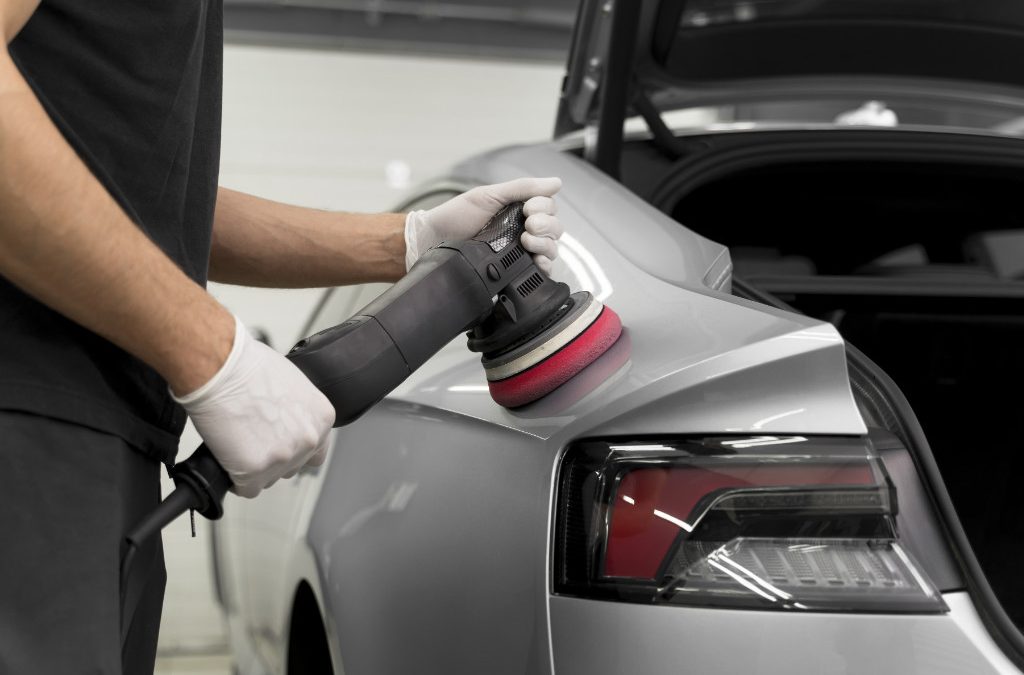
Pulir coches
Car polishing is both an art and a science that, when properly executed, can restore any vehicle’s shine and color depth to the original appearance. At Pinturas Camp de Turia, with nearly three decades of experience in vehicle painting and car care detailing, we know that polishing not only improves the appearance but also protects the paint and increases the car’s value. Below, we explain how to apply polish correctly, the essential steps, and the best tips for a professional result, always using high-end products and the best brands on the market.
Why polish a car?
Polishing removes micro-scratches, watermarks, oxidation, and small paint imperfections. It also prepares the surface for protective treatments such as waxes or sealants, achieving a mirror-like finish and longer-lasting color.
Materials and products needed
- Cut, medium, or finish polish (depending on the condition of the paint)
- Quality orbital or rotary polisher and suitable pads
- Microfiber sponges or applicators
- Clean and soft microfiber cloths
- Decontamination putty or bar (clay bar)
- Water and neutral soap for washing
- Masking tape to protect plastics and rubber
- Wax or sealant for final protection
At Pinturas Camp de Turia, we select professional-quality products to ensure superior results and maximum safety in every process.
Steps to apply polish correctly
1. Washing and decontamination
Wash the vehicle thoroughly to remove dirt, dust, and debris. Use mild soap and a microfiber mitt to avoid scratching the paint. If the surface has adhered contaminants (resin, tar), use a decontamination bar to leave the paint completely smooth.
2. Inspection and preparation of the surface
Dry the car with clean microfiber towels. Inspect the paint under good light to identify scratches, swirls, or oxidation. Protect sensitive areas (plastics, rubber, trim) with masking tape to avoid staining them with polish or polish.
3. Selection of polish and beret
Choose the type of polish according to your needs:
- Cutting polish: to remove deep defects.
- Medium Polish: For intermediate correction and removal of light marks.
- Finishing polish: to give final shine and depth.
Select the appropriate pad (wool or foam, with greater or lesser abrasiveness depending on the product and the condition of the paint).
4. Application of polish
Apply a small amount of polish to the cap or applicator. Always work in small sections (hood, doors, roof) to control the process and prevent the product from drying prematurely.
If you use a polisher:
- Place the pad on the surface and distribute the polish with the machine turned off.
- Turn the polisher on at low speed and make crisscross movements (horizontal and vertical) applying moderate pressure.
- Do not stay in one spot for too long to avoid overheating or burning the paint.
If you polish by hand:
- Make constant circular movements, applying moderate pressure.
- Keep the surface slightly damp to make polishing easier and prevent streaking.
5. Waste cleanup and review
After finishing each section, remove any remaining polish with a clean, soft microfiber cloth. Inspect the result under different lighting angles. If necessary, repeat the process in areas that require further correction.
6. Finishing polishing
For a superior shine, use a finishing polish with a soft foam buff. This step refines the surface and removes any holograms or micro-scratches left by the previous polish.
7. Final protection
Once polishing is complete, apply a high-quality wax or automotive-specific sealant. This will seal the surface, protect the work done, and prolong the shine and protect it from external influences.
Professional tips for perfect polishing
- Always work in the shade or a well-ventilated area, never in direct sunlight, to prevent the polish from drying prematurely.
- Use high-quality products and tools, like those we distribute at Pinturas Camp de Turia, to ensure professional results and protect your paint.
- Change the pad or microfiber cloth when you notice excessive buildup of product or dirt.
- Take your time: Polishing requires patience and attention to detail to achieve a smooth, streak-free finish.
- Before polishing the entire car, test on an inconspicuous area to check product and technique compatibility.
- If you’re inexperienced, start with an orbital polisher (safer for beginners) before moving on to a rotary polisher.
- Clean and store your tools properly after each use to prolong their useful life and avoid cross-contamination.
Why trust a specialized company?
At Pinturas Camp de Turia, we’ve been perfecting the art of polishing and detailing since 1996, working with the best brands and products on the market. Our team of experts is constantly training and uses the latest technology to guarantee impeccable, long-lasting results.
As specialists, we not only restore your vehicle’s shine, but we also protect its value and aesthetics for the long term. If you’re looking for a professional, safe, and long-lasting result, trust the experience and quality of a leading company in the industry.
Car polishing is a process that requires skill, experience, and the best products. By following these steps and tips, you can restore your vehicle’s shine and the protection it deserves. If you want a truly professional finish, at Pinturas Camp de Turia we offer the experience, products, and personalized service that only a company with almost 30 years in the industry can provide.
Make your car look like new and protect its paint with professional polishing from Pinturas Camp de Turia!
If you liked this post “Car Polishing” you might also be interested in “Car Detailing”
If you want to keep up to date with our publications you can do it here and you will get a 5% discount on your first purchase.