
The evolution of automotive paint
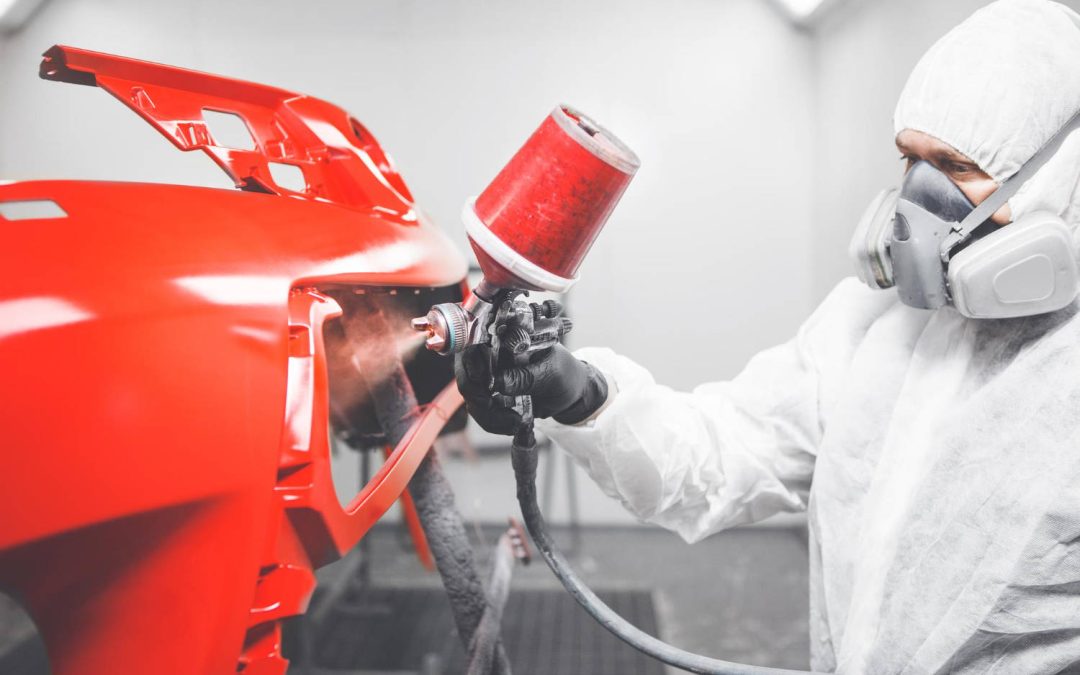
The evolution of automotive paint over the years
Since the early days of the automobile, automotive paint has played a crucial role not only in the aesthetics but also in the protection of vehicles. The evolution of automotive paint reflects technological advances and changing market demands. At Pinturas Camp de Turia, we have witnessed these transformations since 1996, actively participating in the adoption of the latest innovations to offer our customers the highest quality in painting and detailing.
The early years: oil-based paints and lacquers
At the beginning of the 20th century, automobiles were hand-painted, using methods similar to those used in carriage painting. Oil-based paints were common, composed of pigments mixed with linseed oil and natural resins. These early finishes, although glossy, were prone to damage due to their lack of durability and resistance to the elements.
Over time, nitrocellulose lacquers were introduced, offering greater strength and faster drying. This breakthrough was revolutionary, allowing manufacturers to increase production speeds. However, these lacquers still presented challenges, such as a susceptibility to cracking and lower chemical resistance.
The rise of acrylic paints and the color revolution
In the 1950s, the automotive industry underwent a significant change with the introduction of acrylic paints. These paints, developed with synthetic resins, offered superior durability and flexibility compared to previous lacquers. They also allowed for the creation of a wider range of colors, coinciding with an era when consumers were beginning to demand greater customization in their vehicles.
Acrylic paints not only improved the appearance of cars but also offered improved protection against corrosion and UV rays. This ushered in an era where automotive paint was not just a matter of aesthetics, but also of longevity and protection.
Water-based paints: a response to environmental awareness
As environmental awareness began to grow in the 1970s and 1980s, the automotive industry faced the challenge of reducing volatile organic compound (VOC) emissions associated with traditional solvent-based paints. The solution came with the introduction of water-based paints.
Water-based paints, unlike their predecessors, use water as the primary medium for dissolving pigments, which drastically reduces VOC emissions. Although these paints initially presented challenges in terms of application and durability, technology quickly advanced, matching and even surpassing the performance of solvent-based paints.
The water-based paints used today are not only environmentally friendly, but also offer a superior finish and long-term durability.
The advancement of ceramic coatings and advanced protection
In recent years, the automotive paint industry has seen a surge in demand for ceramic coatings, a technology that offers unprecedented protection. Ceramic coatings, composed of nanoparticles, create an extremely hard and durable protective layer that adheres to the vehicle’s surface.
This technology not only provides superior resistance to scratches and chemical damage, but also offers exceptional UV protection and unmatched cleanability. With this technology in our detailing services, we ensure our customers’ vehicles maintain their shine and protection for years.
Automotive paint in the digital age: future innovations
The evolution of automotive paint doesn’t stop there. Today, we’re seeing the emergence of technologies that seem straight out of science fiction, such as self-healing paints and color-changing finishes.
Advances in nanotechnology are making it possible for paints to repair small scratches on their own, thanks to the reactivity of polymers with sunlight or heat. Meanwhile, research into smart pigments and coatings is enabling the development of paints that change color with temperature or light, offering endless possibilities for vehicle customization.
At Pinturas Camp de Turia, we are constantly monitoring these innovations, evaluating how they can be integrated into our services to continue offering our clients the best in the market. Our collaboration with leading brands and our commitment to ongoing training allow us to stay at the forefront of these trends.
The impact of detailing and specialty products
Beyond the paint itself, detailing has taken on vital importance in preserving and improving the appearance of vehicles. At Pinturas Camp de Turia, we understand that a good paint application must be complemented by proper maintenance, and this is where detailing plays a crucial role.
Detailing involves not only cleaning and polishing, but also the application of specialized products such as waxes, sealants, and coatings that protect the paint and enhance its finish. We work with the best products on the market to ensure that each vehicle not only looks impeccable but is also protected from the elements.
A continued commitment to quality and innovation
Automotive paint has come a long way since the days of oil-based lacquers. Today, the combination of advanced technologies, increased environmental awareness, and a focus on customization and protection has transformed the industry.
At Pinturas Camp de Turia, we are proud to have been part of this evolution. With more than 25 years of experience, we remain committed to offering our customers products and services that represent the best in quality and innovation. We know that the future will bring new challenges and opportunities, and we are ready to face them with the same dedication that has characterized us since 1996.
Exploring the evolution of automotive paint is not just a look back, but a window into the future of what we can achieve in terms of technology, sustainability, and aesthetics. At Pinturas Camp de Turia, we are ready to continue being part of this ever-evolving story.
If you enjoyed this post “The Evolution of Automotive Paint,” you might also be interested in “Benefits of Car Care Detailing.”
If you want to keep up to date with our publications you can do it here and you will get a 5% discount on your first purchase.